The Sea Was Closer Than It Seems
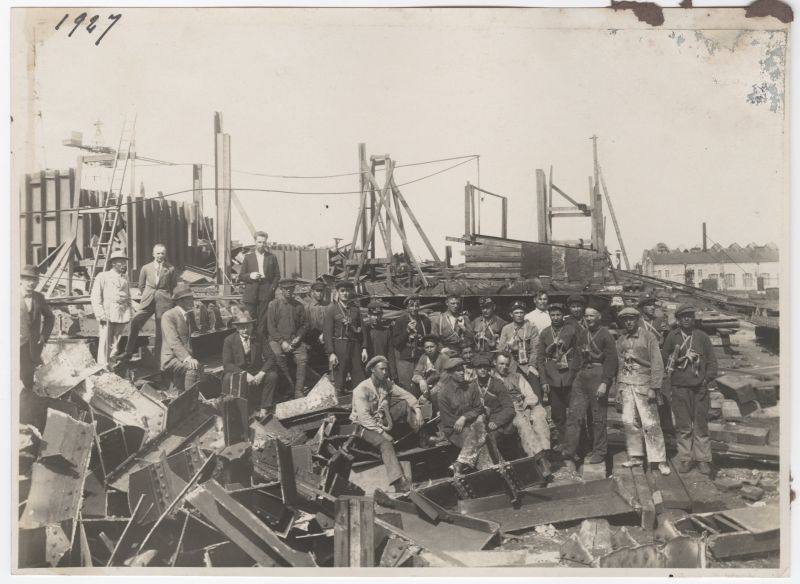
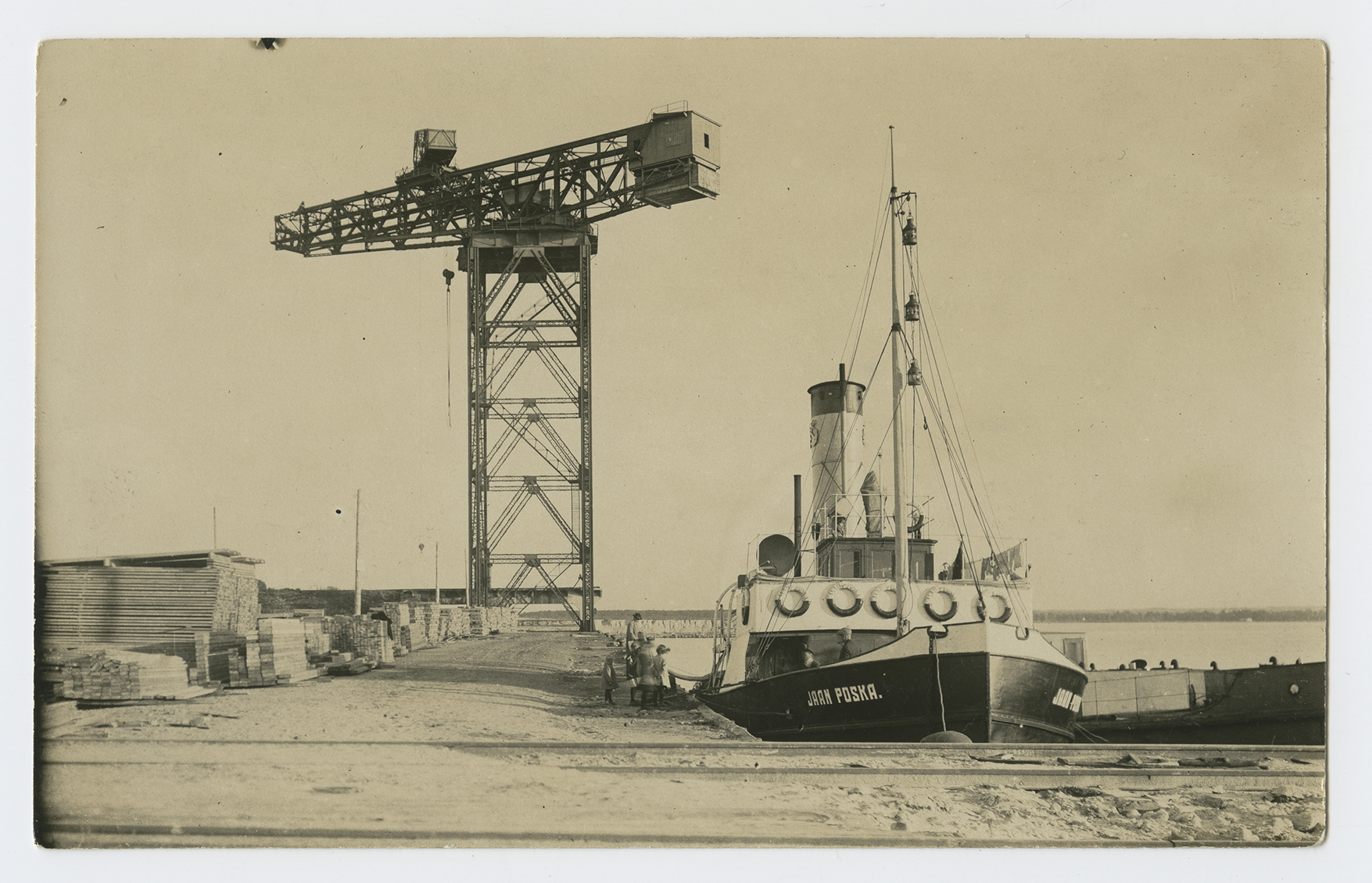
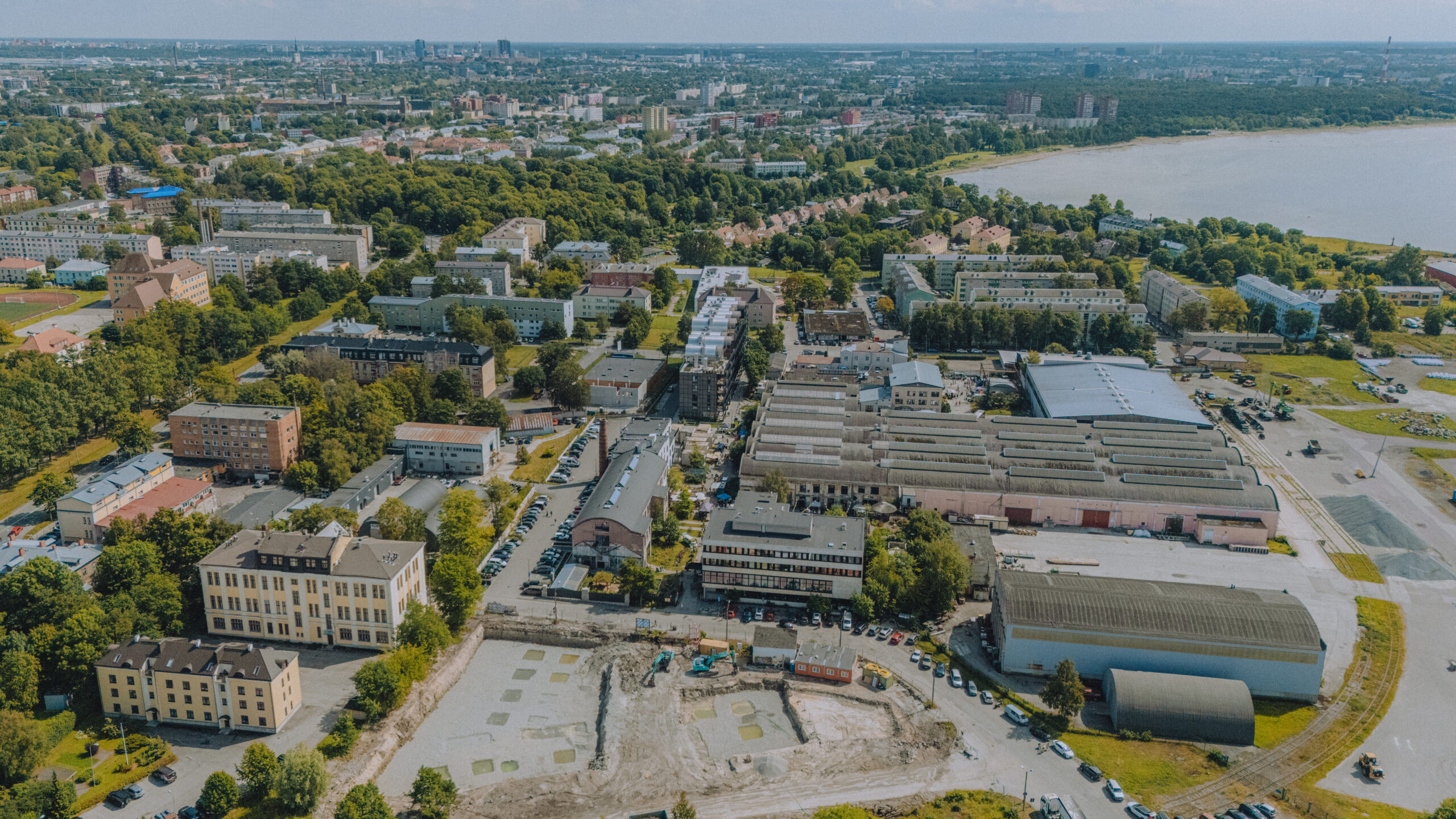
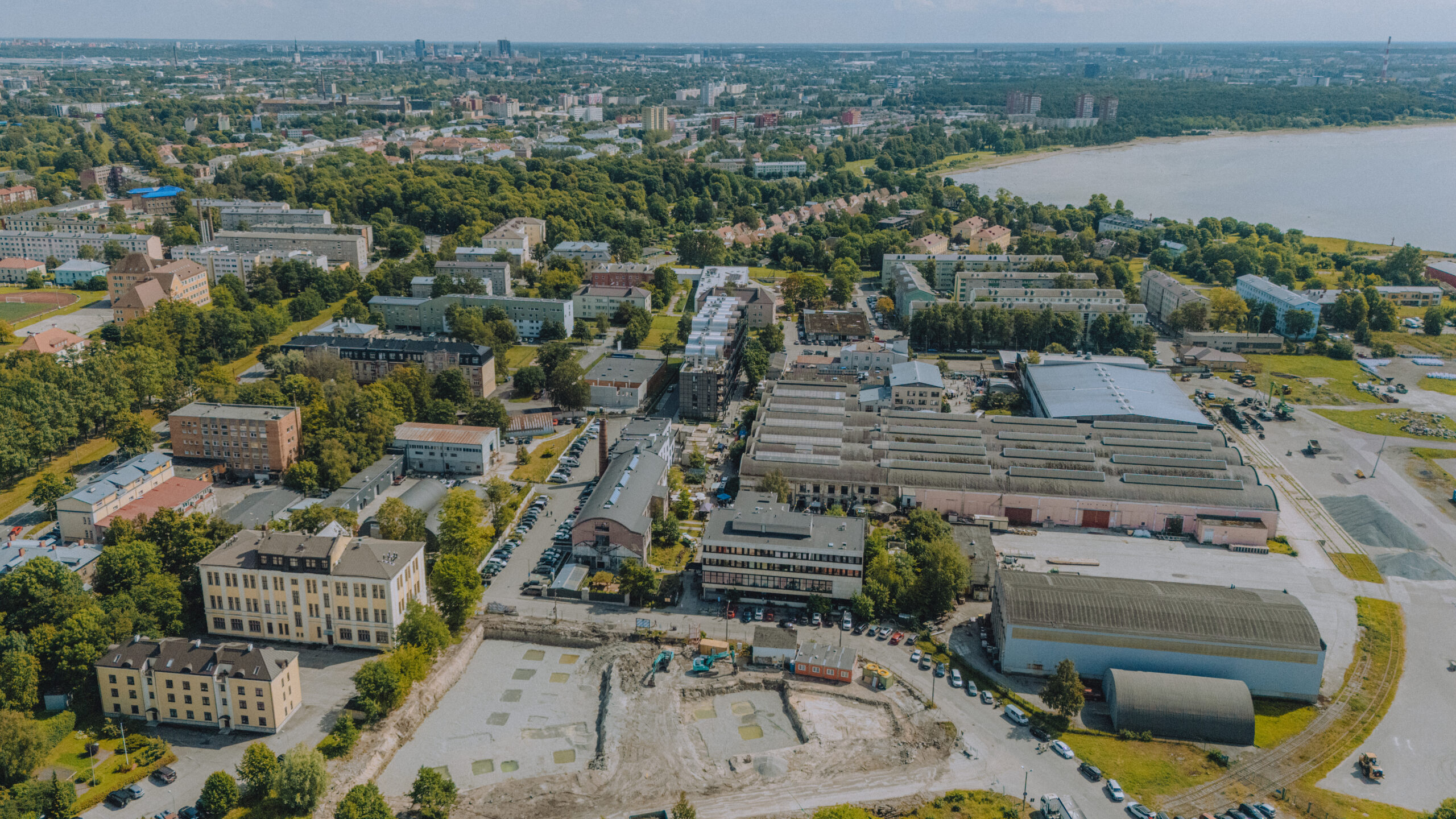
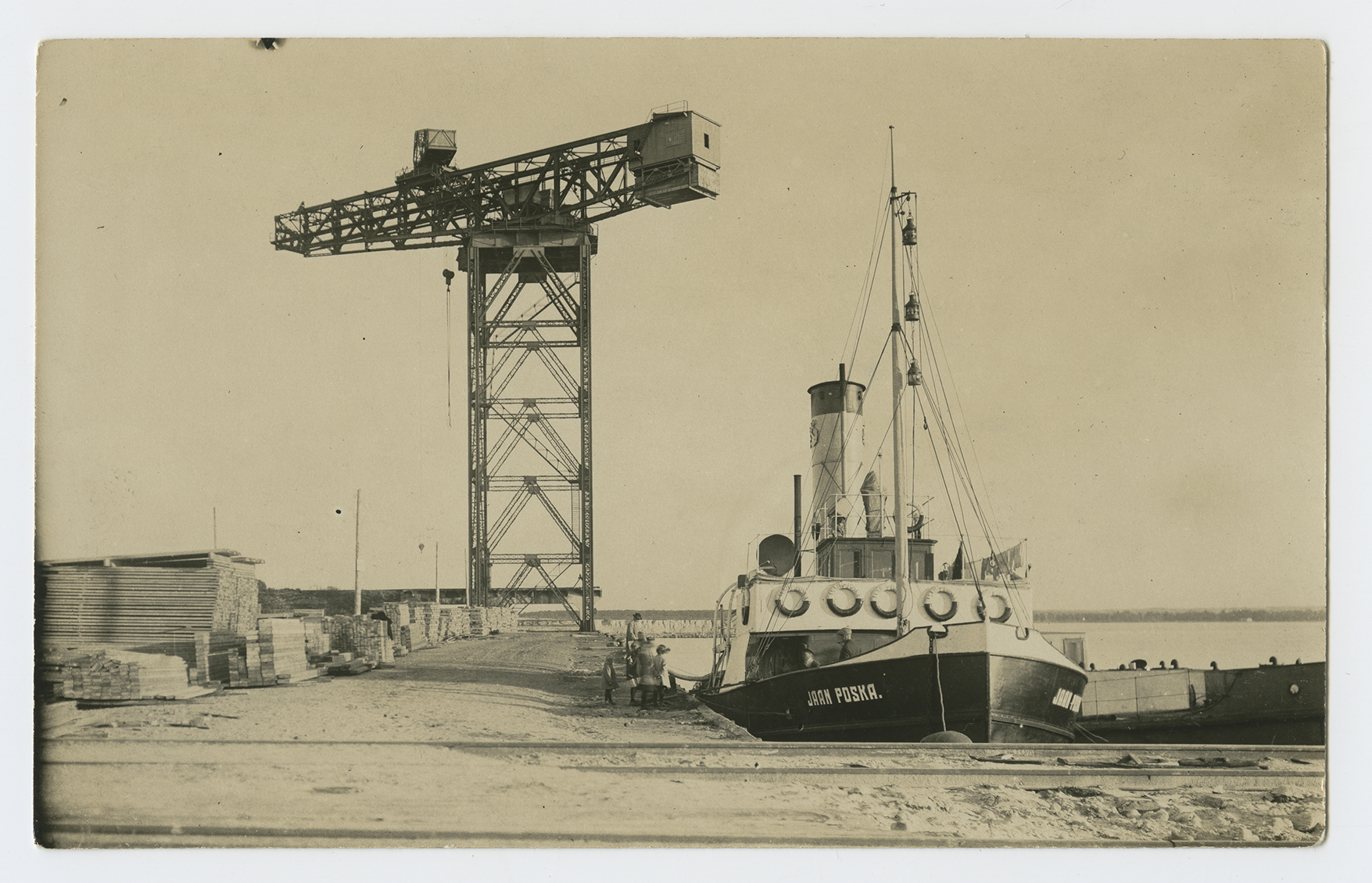
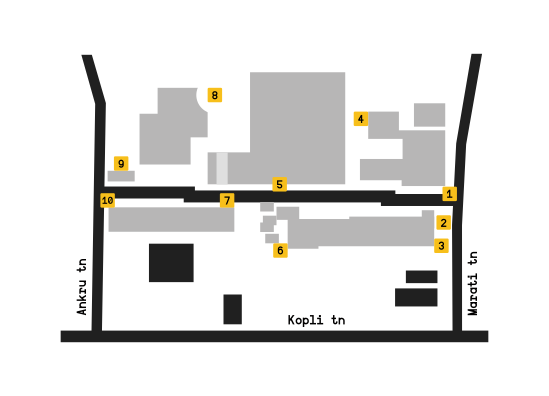
Although you can’t see the sea from this courtyard, it’s just 250 metres away. According to various sources, the shoreline lies between two and twenty-two stone throws from here. Today, a wall separates Põhjala Factory from the water, with Bekker Port on the other side. Between 1912 and 1917, during the shipyard’s operation, it was all part of a single industrial complex. Long hangars were built for producing ship components, with final assembly and launch taking place at the large slipway.
During World War I, ships were built here for the Russian Empire’s Baltic Fleet. After World War II, the area also became a resting place for wrecks. Speed skater and local resident Ants Antson recalled:
A ship named after Joseph Stalin was sunk during the war. The stern was brought to Kopli Bay, right at the end of Bekker’s pier. We boys used to walk across the ice to climb on it. The bodies were still there, too. When my grandmother found out, I got my first proper beating.
The wreck, which fascinated local children for years, wasn’t removed until the early 1950s.
Another story from around the same time was recorded by urban historian Robert Nerman:
Some local men went fishing in Kopli Bay. When they pulled in their nets, a crate came up with the fish. Inside were aeroplane bombs. Frightened, they threw the crate back into the sea and returned to shore. Later, at the tavern, they learned the bombs could’ve fetched a good price. Of course, they returned to the same spot to try again — but the sea doesn’t give the same gift twice.