Glass and Rubber – Kopli’s New Crown Jewels
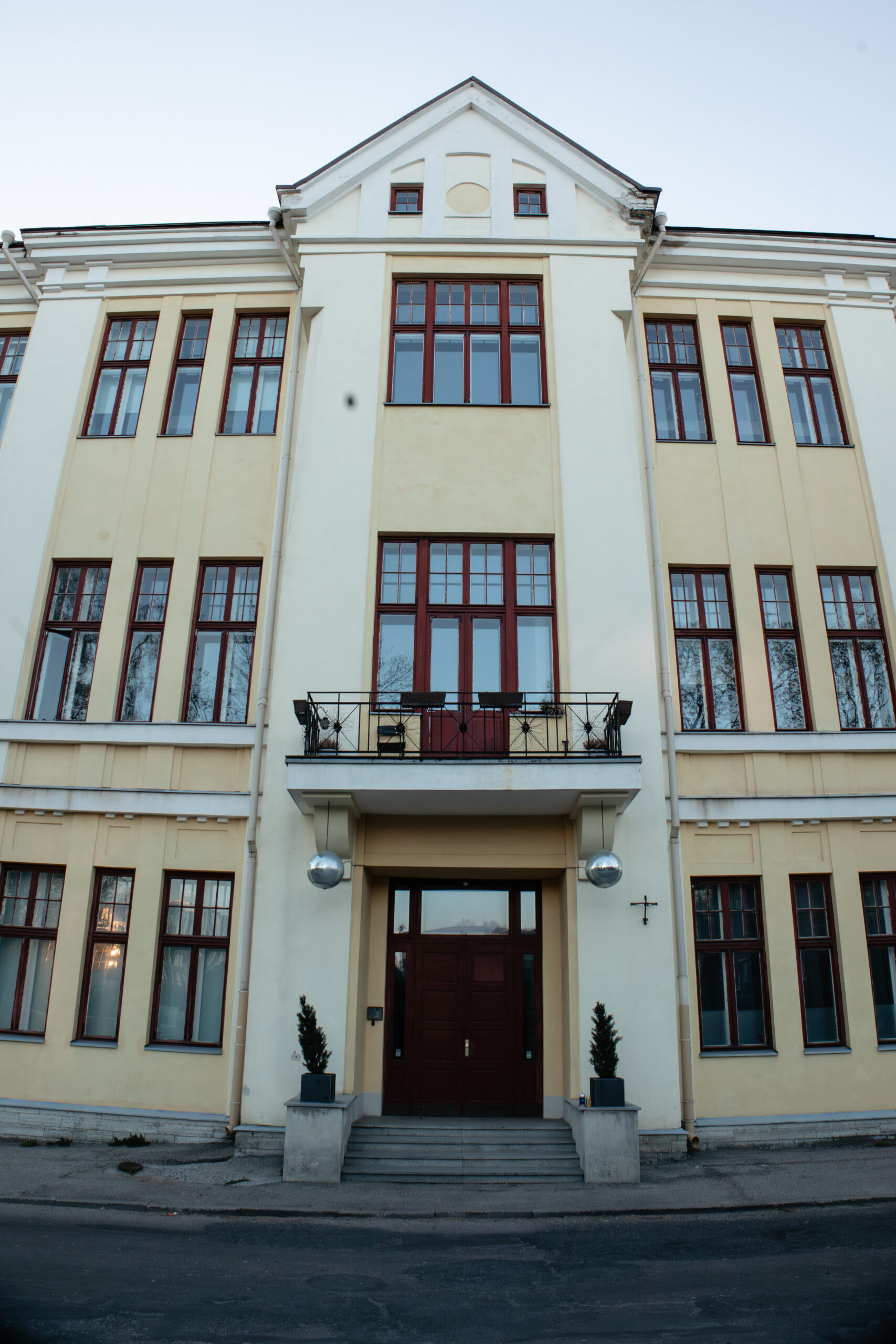
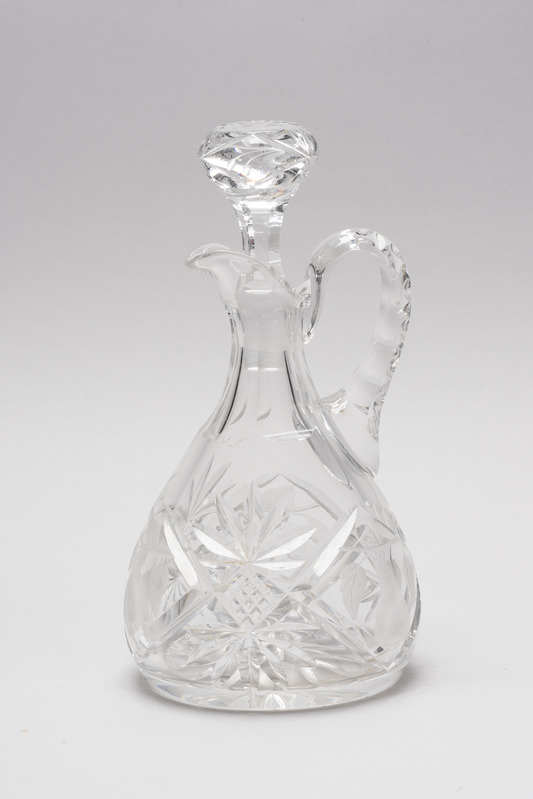
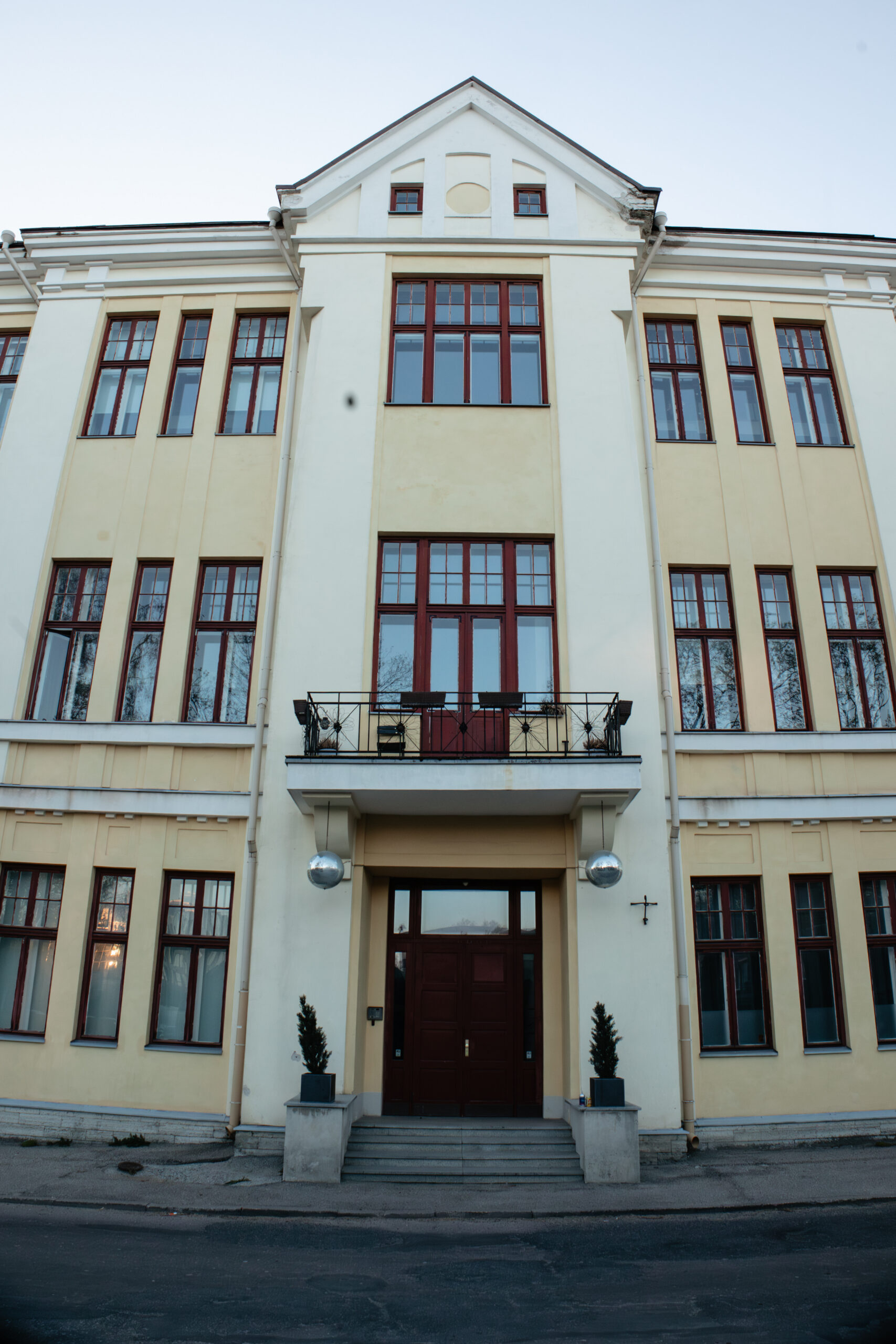
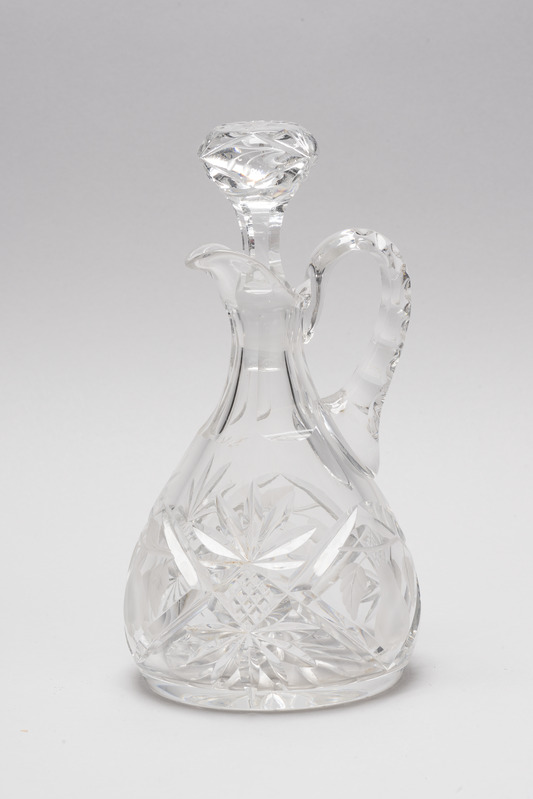
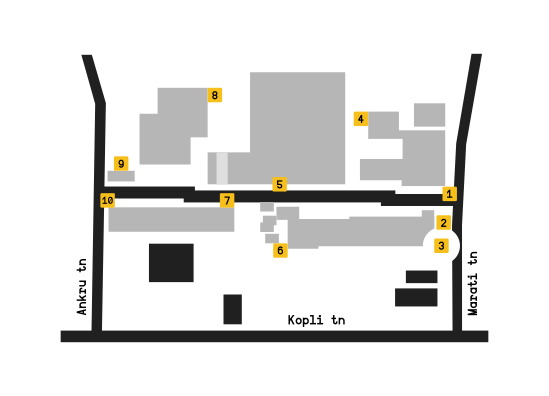
By the early 1930s, two major industries producing materials and everyday goods had taken root on the former shipyard grounds. In December 1932, Lorup’s glass factory relocated across the street, later becoming the well-known Soviet-era brand, Tarbeklaas. From the original factory complex, just the yellow stone house (now adorned with disco balls) remains. The others were demolished and once stood behind today’s new apartment buildings. In the 1930s, this yellow building housed the fine grinding department, where crystal vases — still highly valued today — were meticulously crafted.
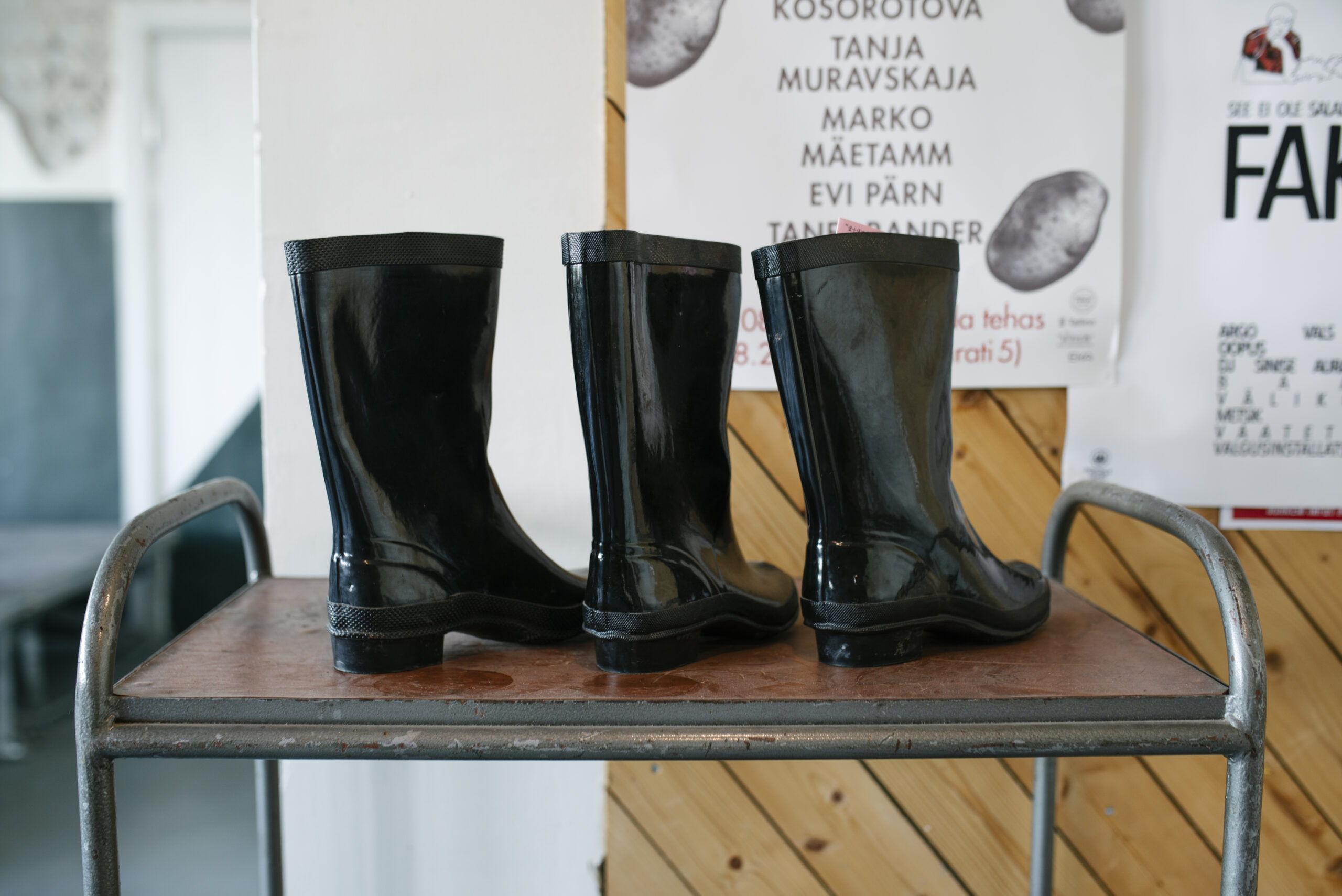
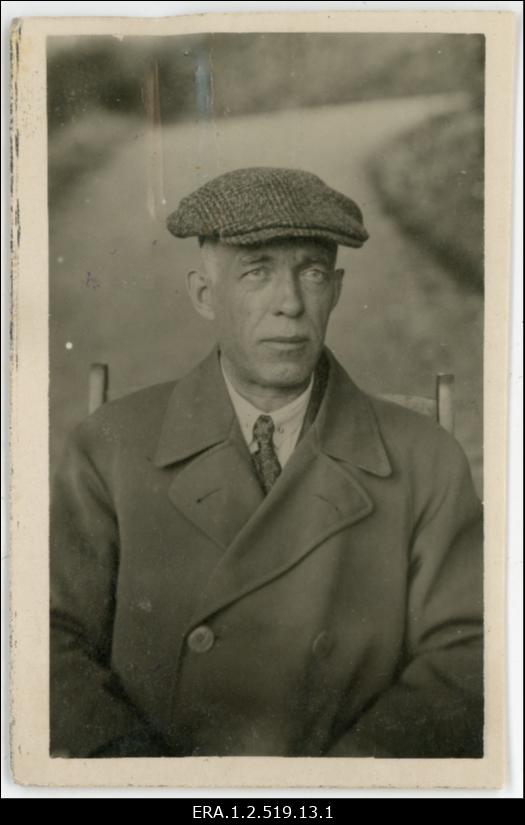
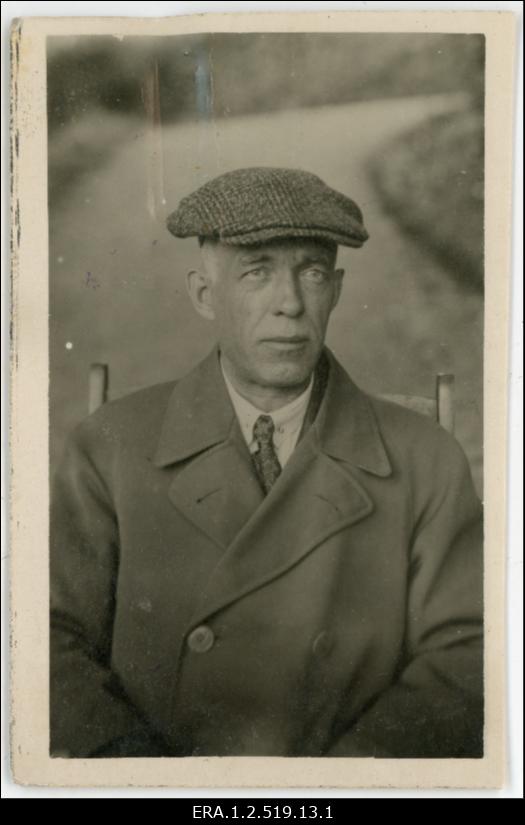
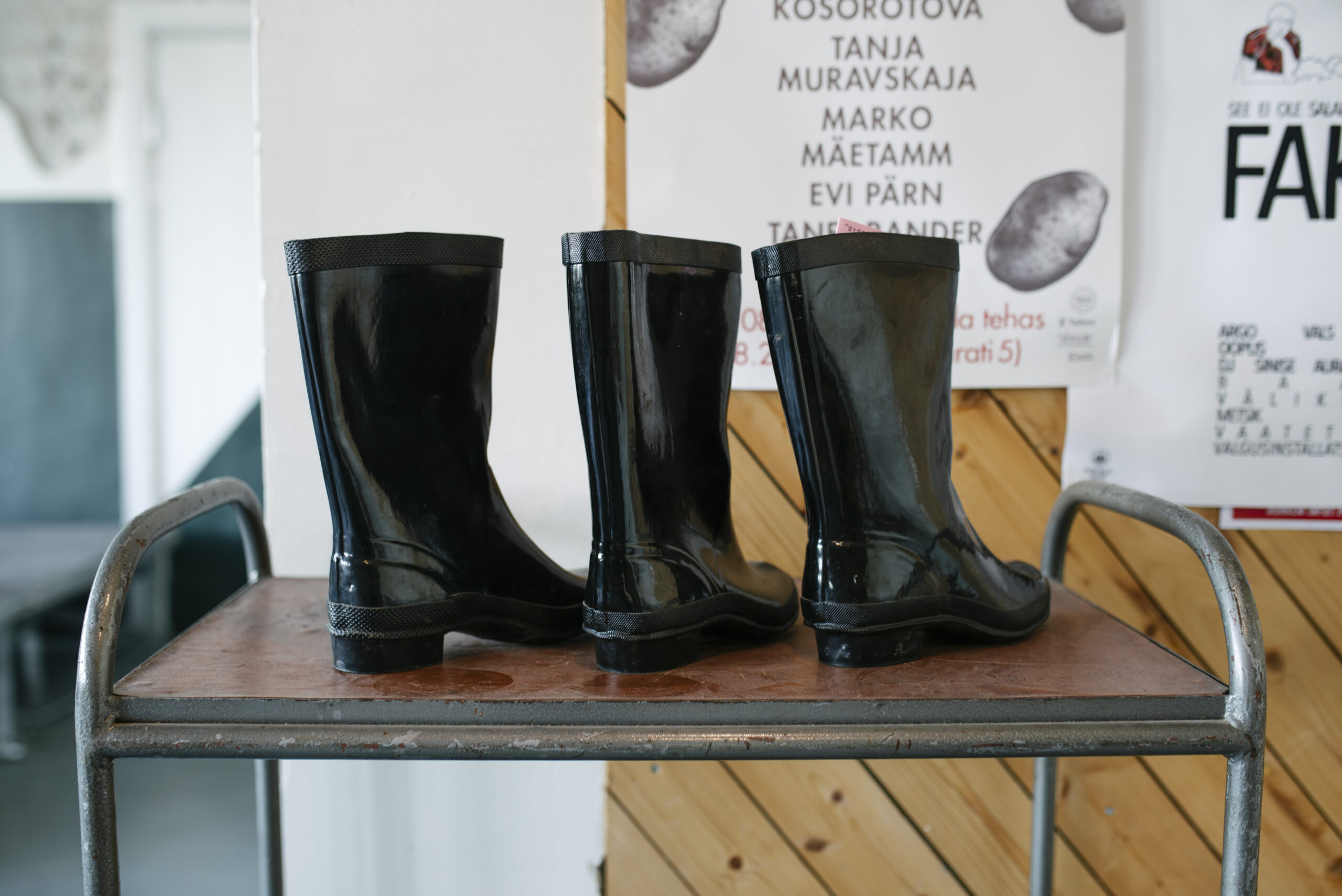
In 1924, the Estonian Rubber Factory was founded in Kopli. One of its key figures was engineer Harry Feldmann. Much of the early work was done by his family members. The company initially operated in a small rented building on the grounds of the former Vene-Balti Shipyard, producing shoe soles and heel protectors. At the time, rubber products were in short supply in Estonia, so Feldmann’s products quickly gained popularity. By the end of the first year, the factory was already profitable and soon expanded into other rubber items. In 1932, the growing company relocated to the former Bekker Shipyard buildings on Marati Street.
Both industries played a major role in shaping life in Kopli during the 1930s. Glassmaker Johannes Lorup and rubber manufacturer Harry Feldmann were progressive entrepreneurs — they built new housing, founded trade unions, and actively supported the district’s social and cultural life. Thanks to their efforts, and broader developments in the area, Kopli became a desirable residential district by the mid-1930s.
Unfortunately, World War II and the subsequent occupations brought major changes. Feldmann, who had already lost everything once before, fled to Germany. The rubber factory, however, remained and continued operating under entirely new circumstances.