Welcome to the gateway where Kopli’s Industrial era began
You are now standing at the gateway once crossed by thousands of workers over the decades.
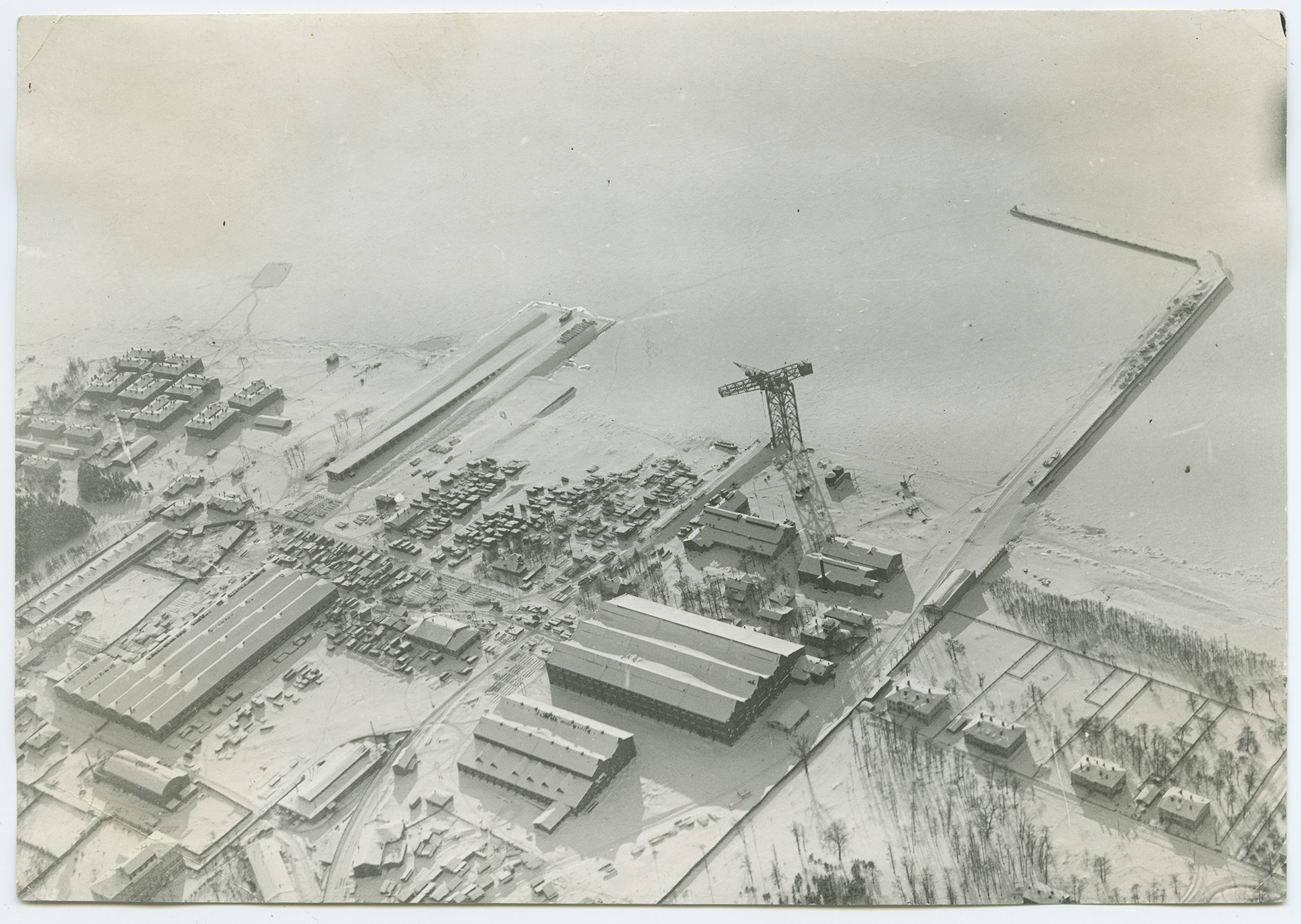
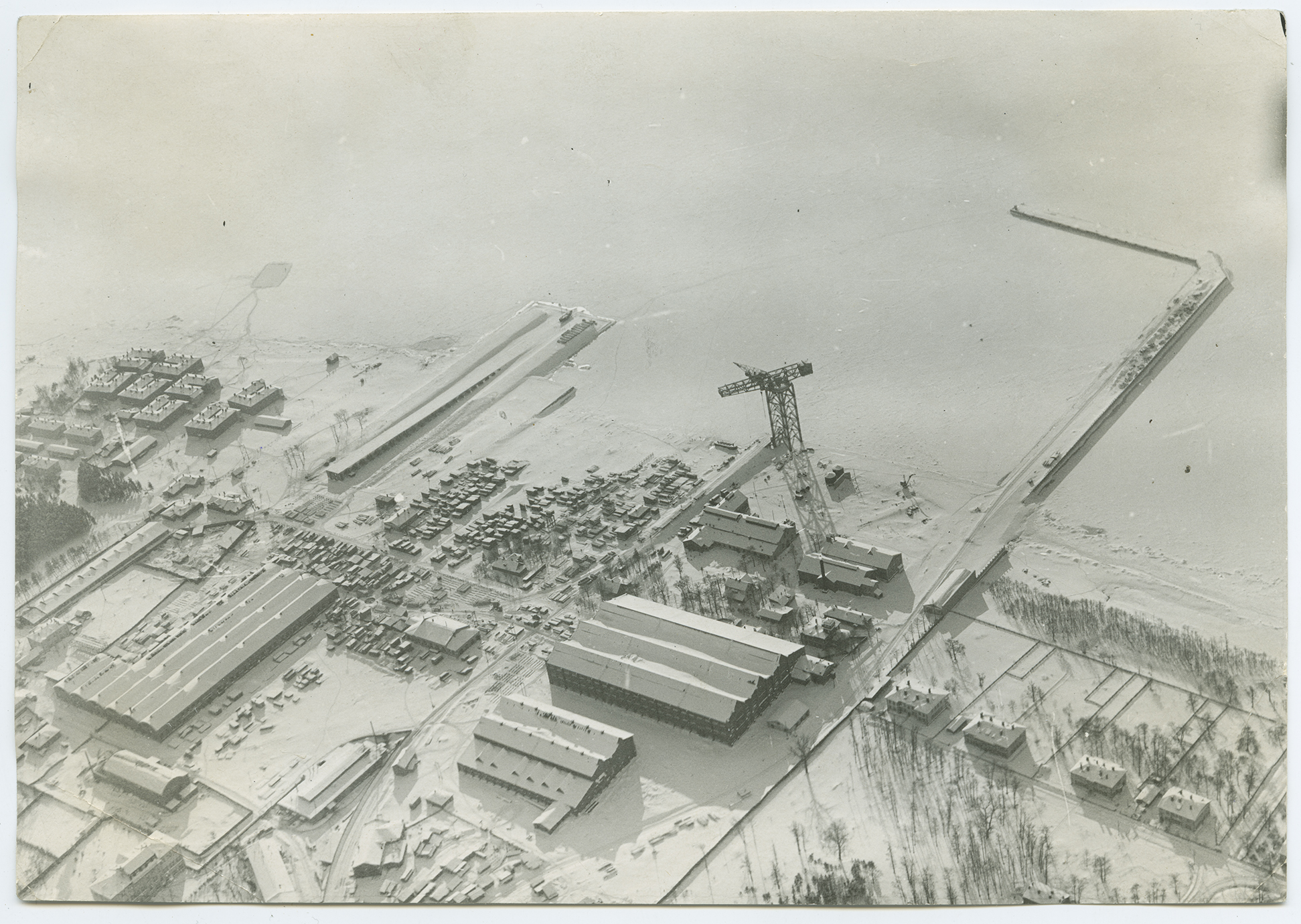
At the beginning of the 20th century, the Kopli area changed dramatically — from ancient forest and lush pastures to a center of heavy industry. Two major shipyards were established here, as Tsarist Russia sought to rebuild its navy after the Russo-Japanese War of 1904–1905. At the tip of the peninsula stood the Russo-Baltic Shipyard, while the Bekker Shipbuilding Yard rose here, just in front of you.
In 1912, preliminary work began for the construction of the factory – timber was stockpiled and stones were cleared. The factory was completed in 1915. It was initially named the Bekker Metallurgy, Mechanical, and Shipbuilding Joint-Stock Company, and in its early years, more than 700 men worked here. The yard primarily built wooden minesweepers and minelayers — wooden-hulled warships that were less vulnerable to magnetic mines. One notable vessel completed here was the Avtroil, which later served in the Estonian Navy under the name Lennuk. Lennuk is considered the most powerful warship ever to have served in Estonia’s fleet.
In 1917, as World War I drew to a close, many industries were evacuated from Tallinn to Russia — including both of Kopli’s shipyards. Estonian workers at Bekker risked their lives to unload some of the equipment from the evacuation trains. According to accounts, Tallinn’s local militia scattered coarse sand into the trains’ axle bearings, sparking fires near Tapa. As a result, an entire trainload of Bekker’s equipment remained in Estonia.
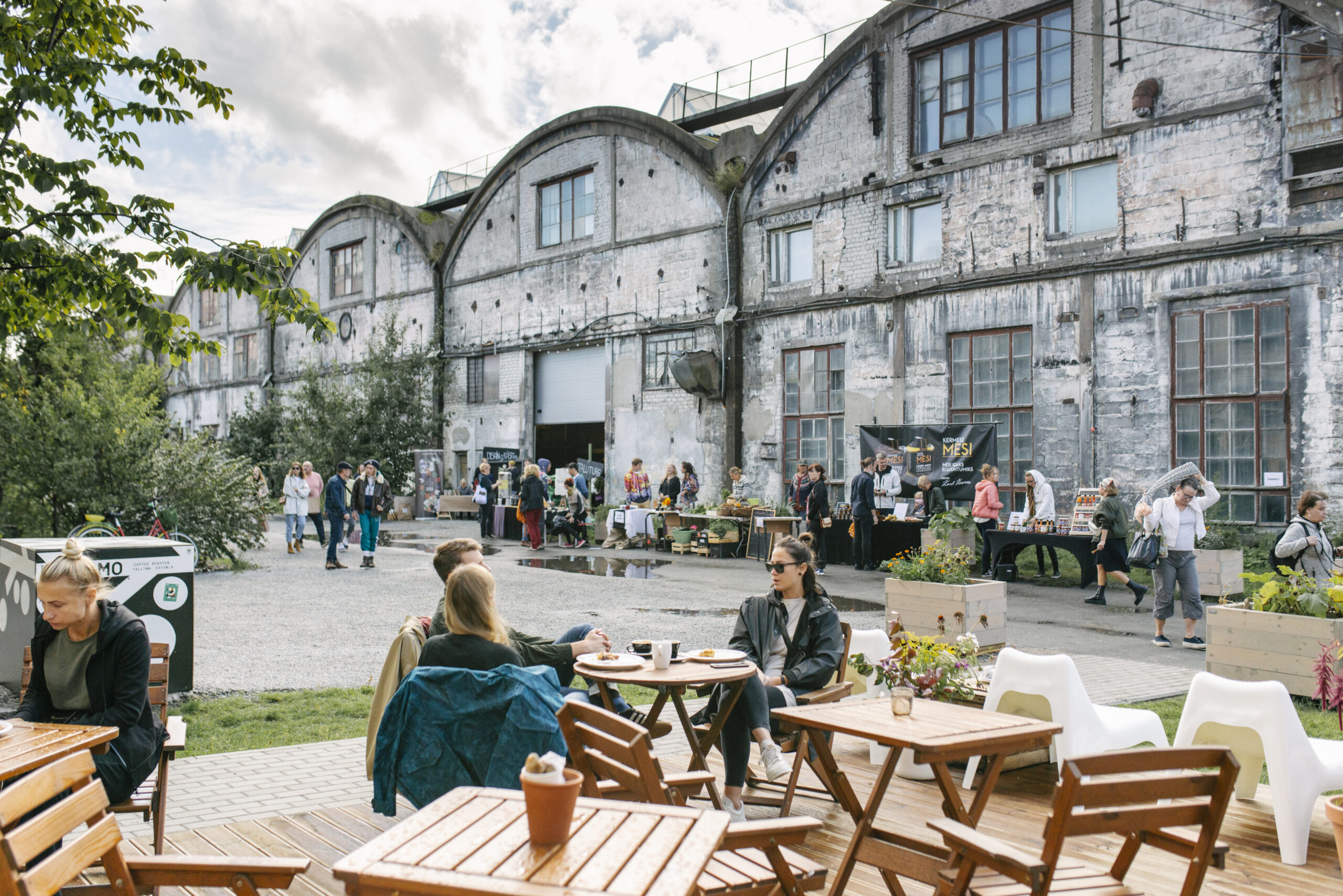
After the Estonian War of Independence, the area continued to grow, attracting a variety of industries and small factories that brought new life to the former shipyard buildings. These included sausage makers, soap and textile producers, sawmills, and even a radio manufacturing plant.
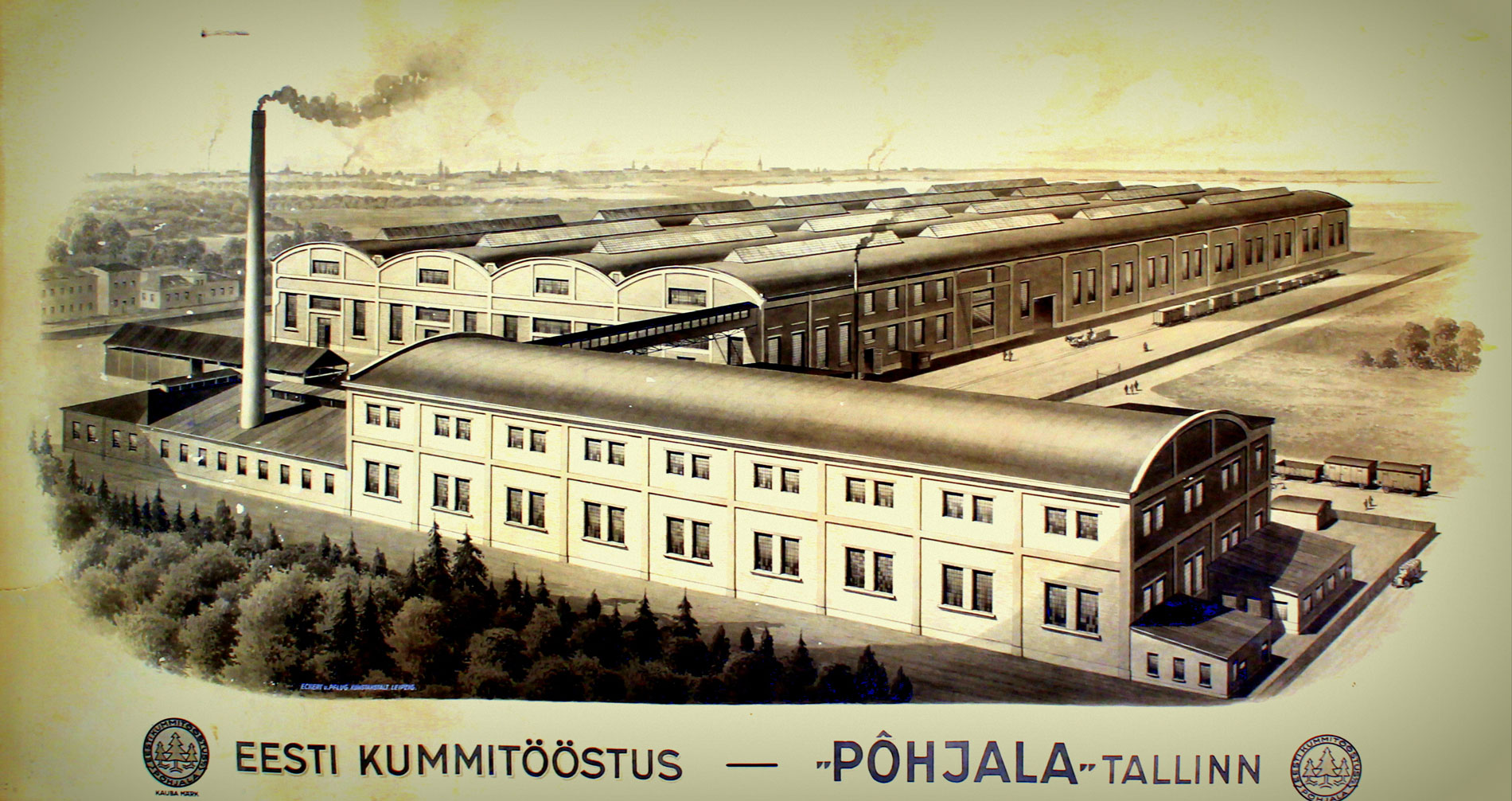
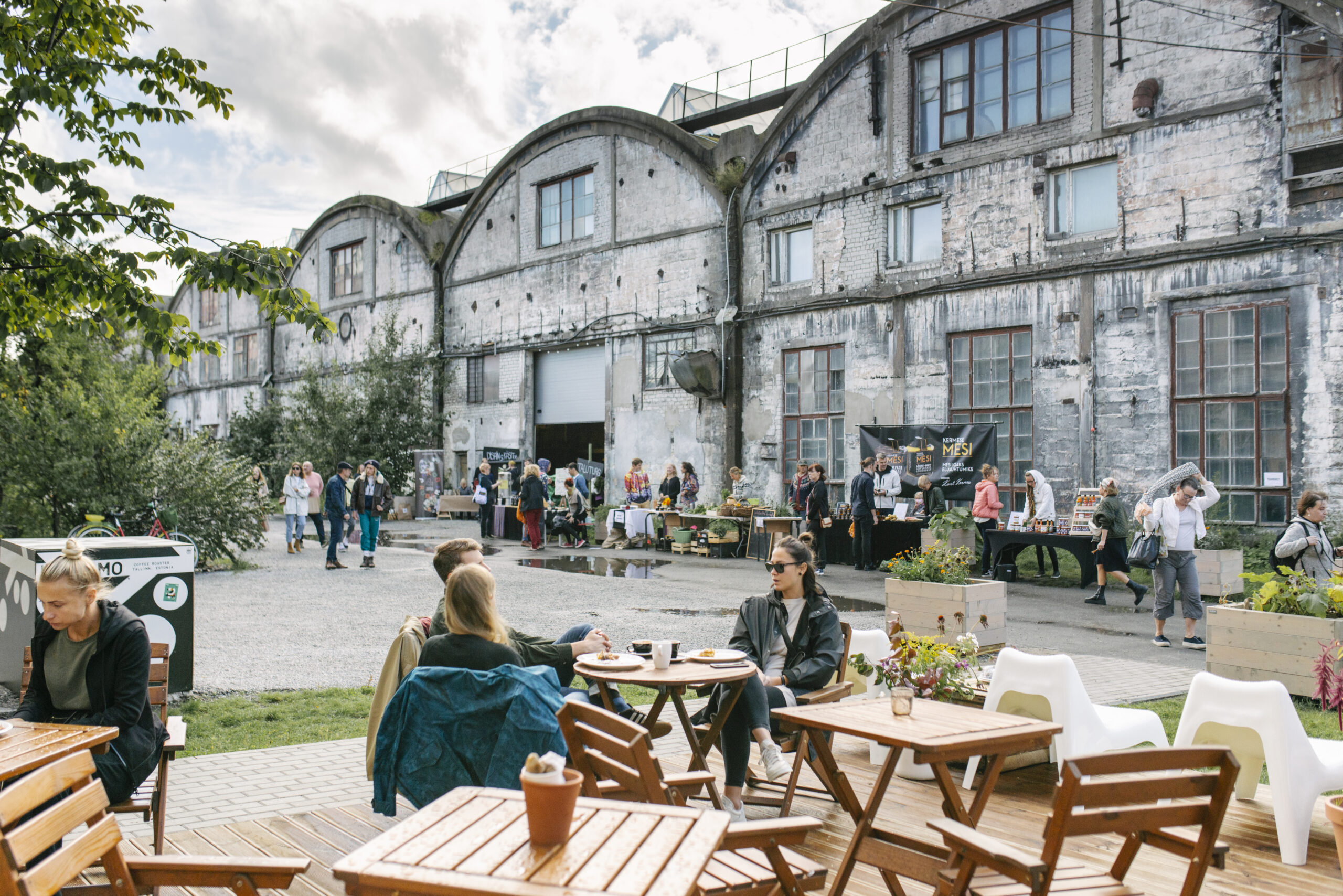
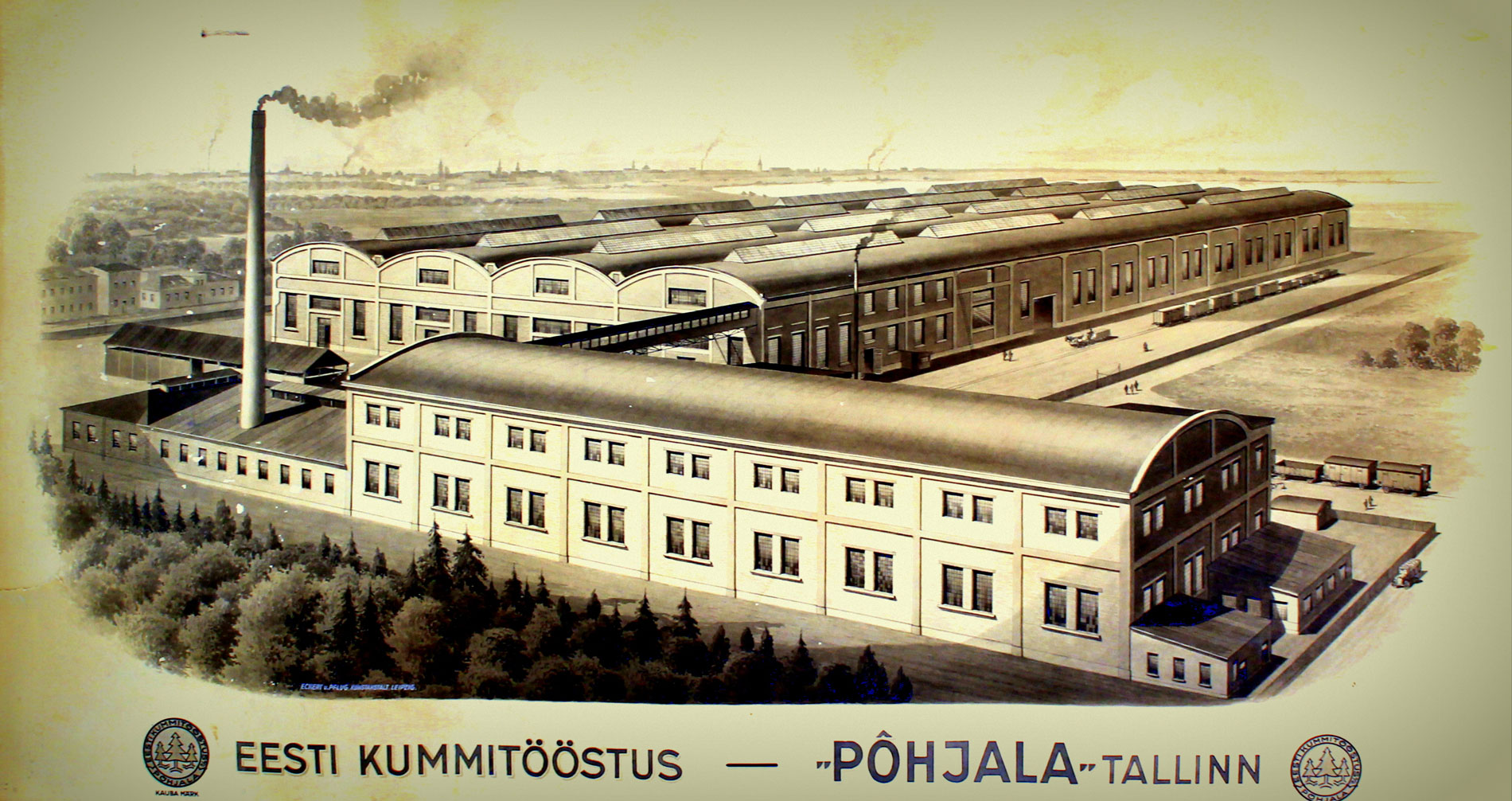
The most prominent of them all were Lorup’s Glass Factory (later known as Tarbeklaas) and the Põhjala Rubber Factory. Today’s Põhjala Tehas proudly inherits its name and logo from the rubber factory founded here in 1924.