A New Chapter in an Old Quarter
You are standing at the border of the former Bekker Industrial Zone and its workers’ housing area.
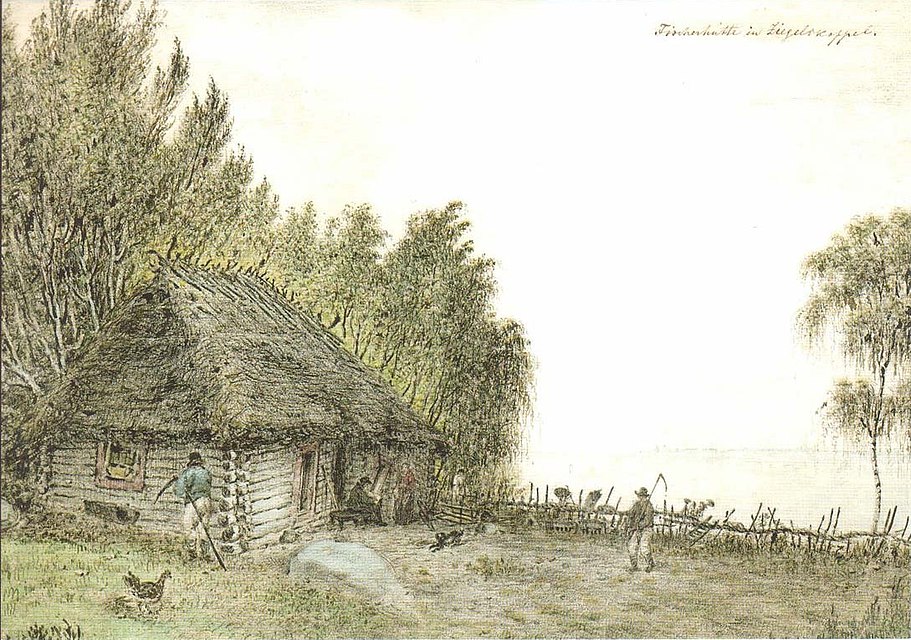
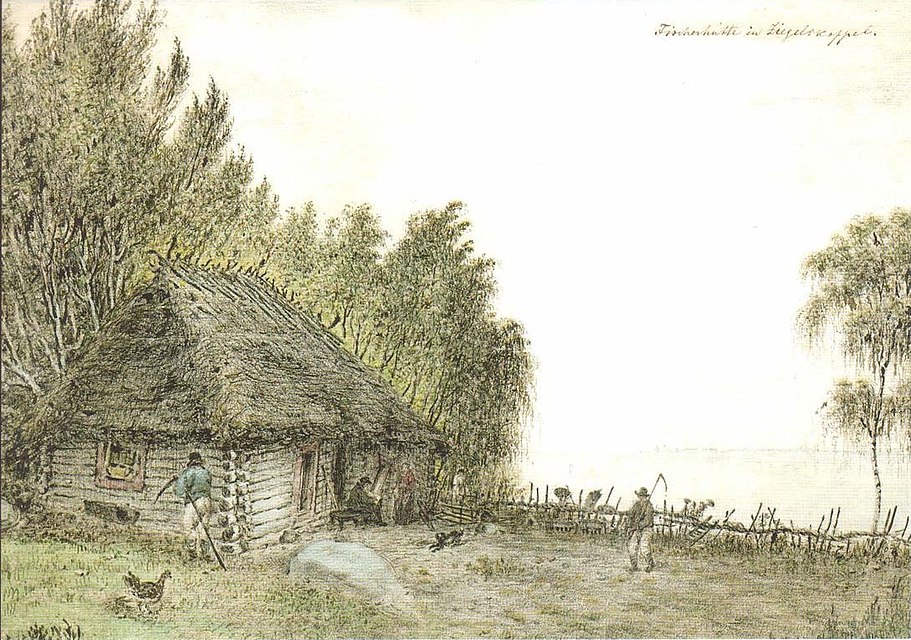
Looking behind you, you’ll see mostly Soviet-era panel apartment buildings, constructed in the 1970s and later. But if you go further back in time, this coastal area was home to a fishing village that had existed for centuries. Kopliranna village was first mentioned in 1415 — at the time, it consisted of just seven turf-roofed huts.
In the early 19th century, locals were referred to as kalasulased (fishing servants), and their surnames reflected both Estonian and Swedish roots — names like Abrosius, Peterson, and Krabby.
In 1913, the company Becker & Co purchased about half of the village’s land plots. Two decades later, around 150 buildings were recorded in that same area. Unfortunately, no detailed plans from that period have survived.
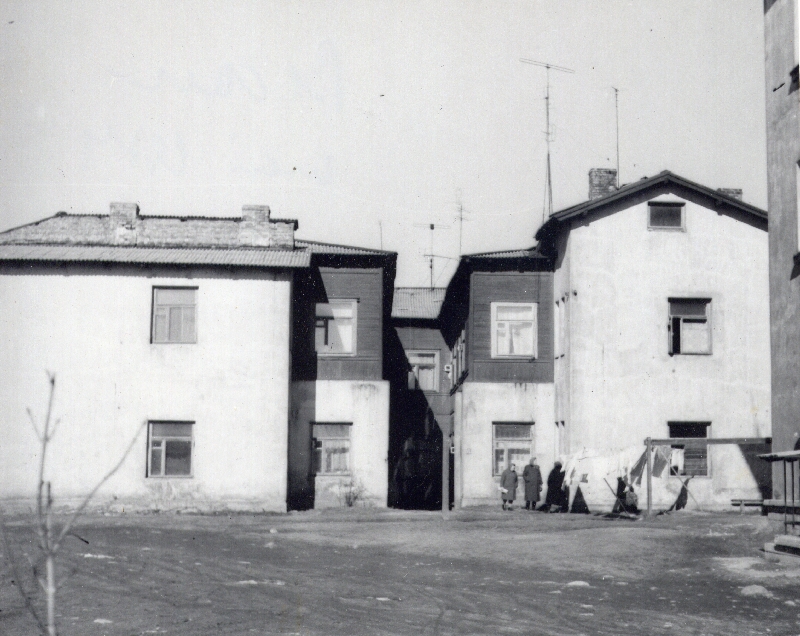
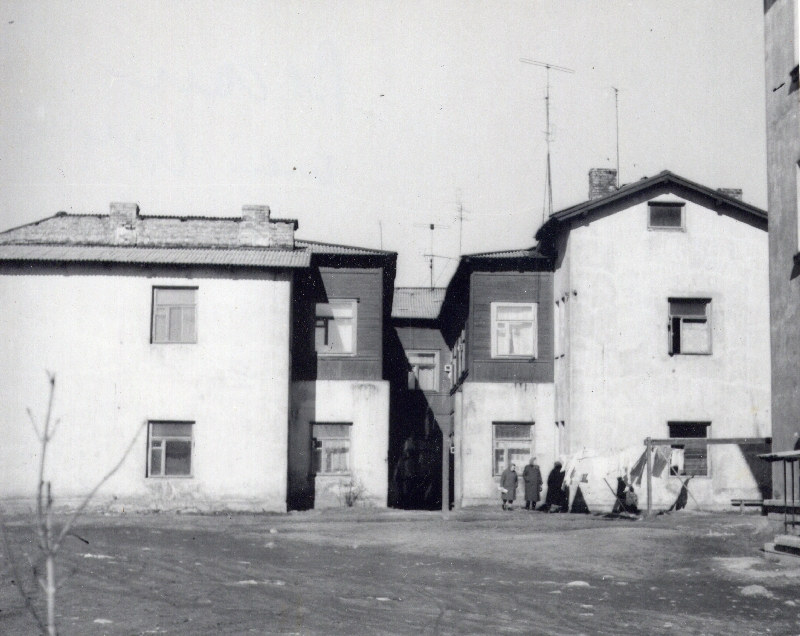
Of the original factory-era workers’ housing, only one building remains: a two-storey wooden house at Kopliranna 41, built in a rare horseshoe shape — meaning some apartments lacked direct sunlight.
All the workers’ flats were originally one-room kitchen units. The Bekker factory built around 800 of these flats — one for nearly every worker. By 1917, the number of workers had risen to 3,481, while the number of flats remained the same.
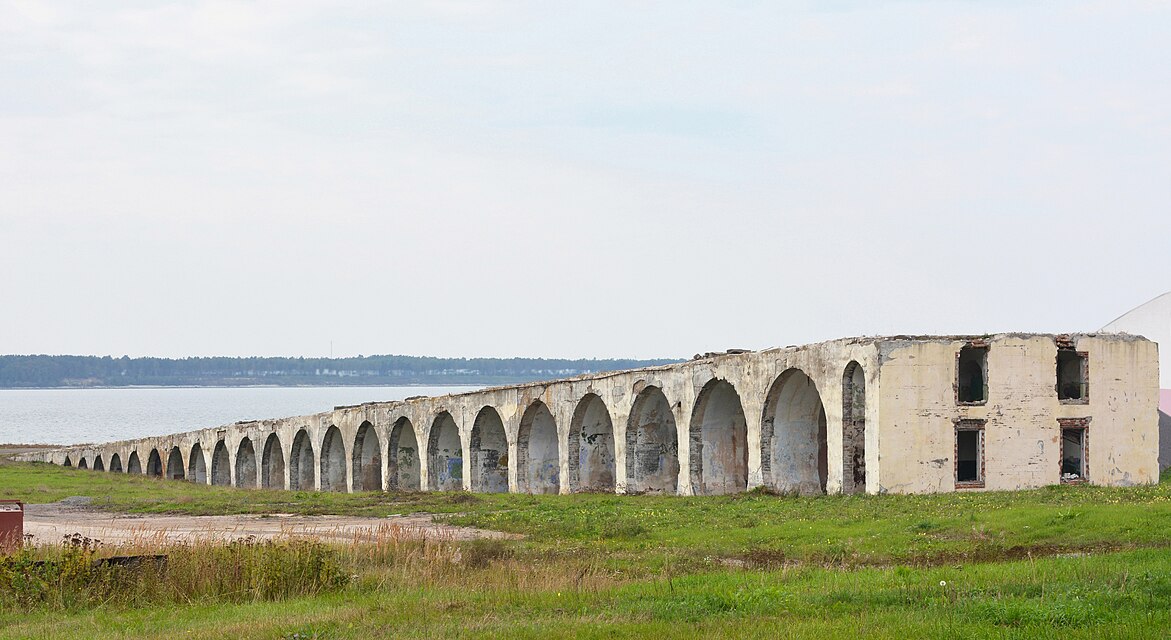
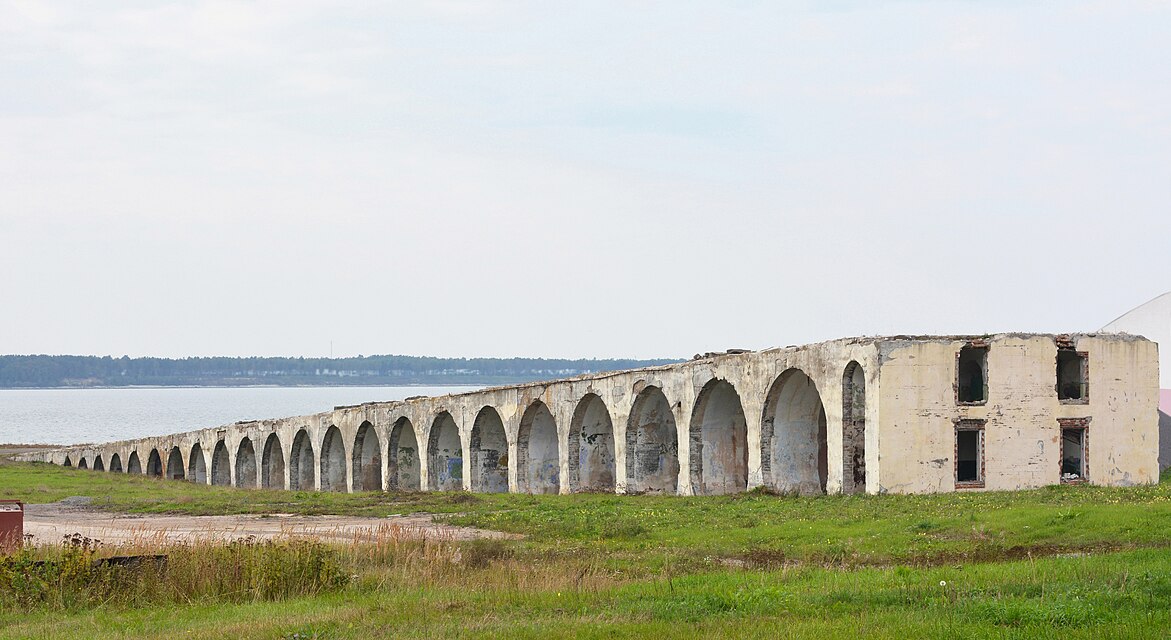
If you’d like to explore the historic Bekker neighbourhood, turn right from here and walk to Bekker Port, where you’ll find the Tsarist-era slipway — once part of the shipyard. From there, continue to the historic workers’ house at Kopliranna 41, then follow the street or coastline to Sirbi Street — a charming remnant of the early Estonian Republic and the only completed street of the planned Kopli garden suburb.
Along Kopli Street, you’ll also find three important residences built for Bekker’s top staff: a dark yellow, three-storey Masters’ House; next to it, a large faded red Engineers’ House; and finally, the beautifully restored white Director’s Villa.