Home of the rubber boots and three spruces
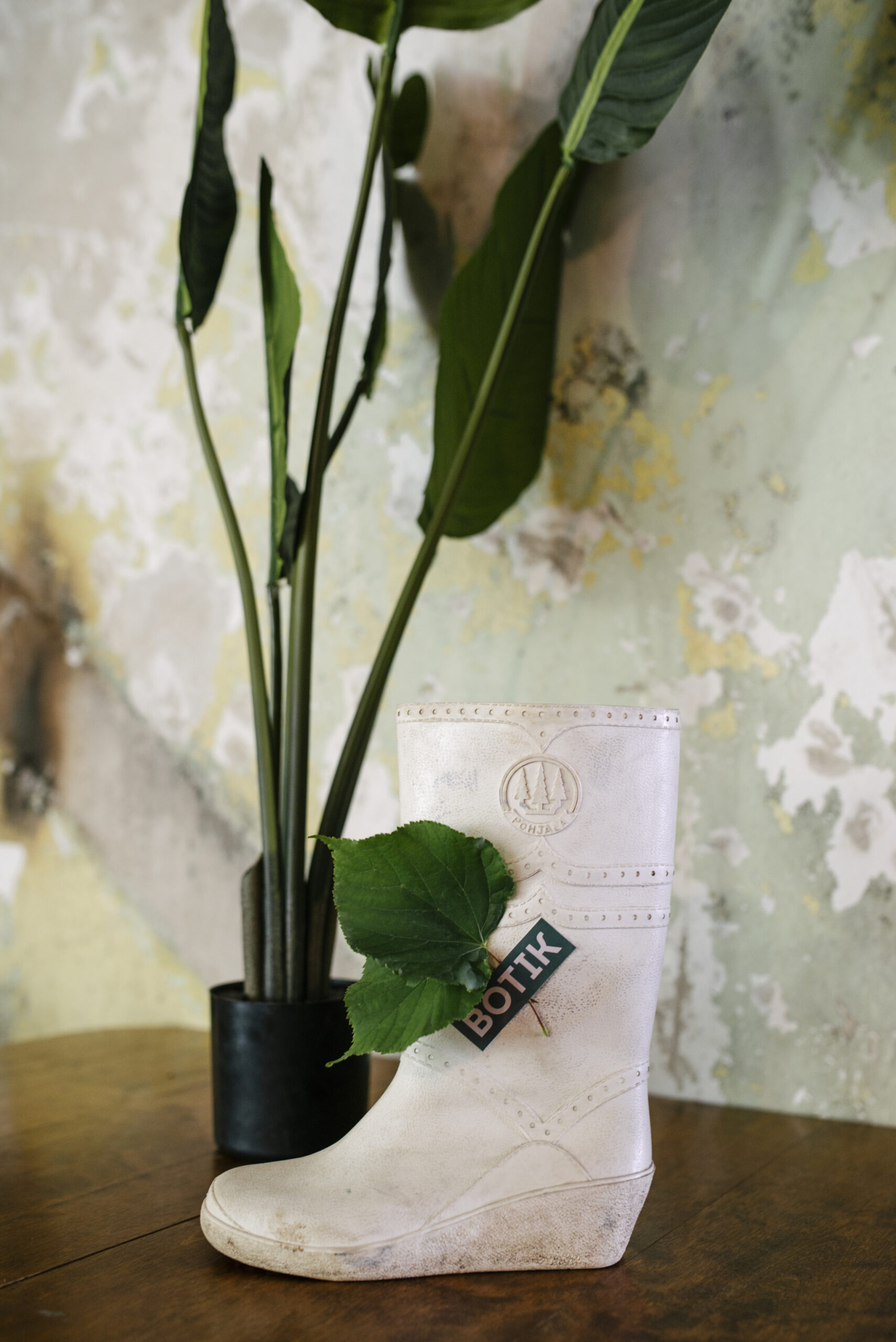
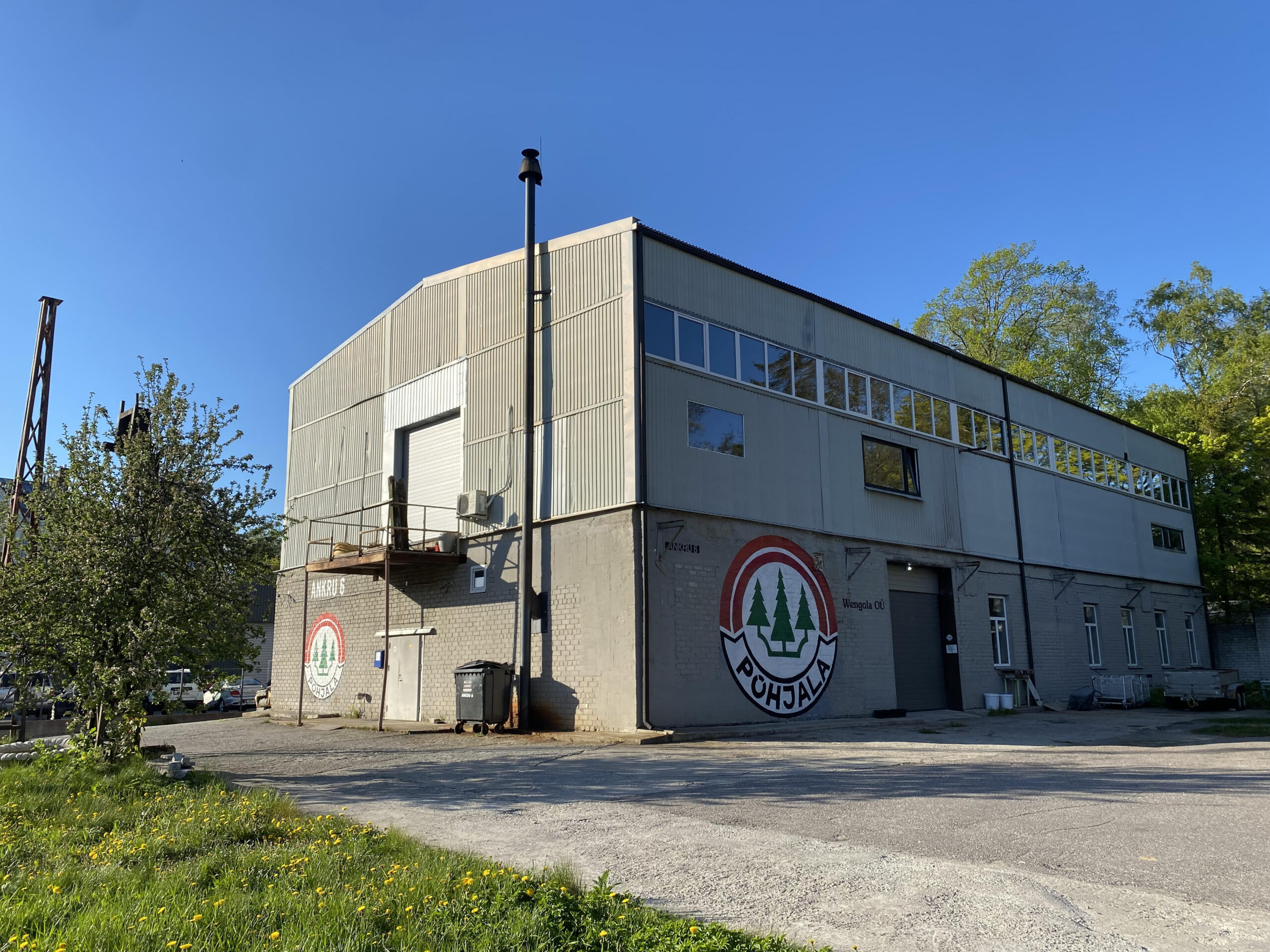
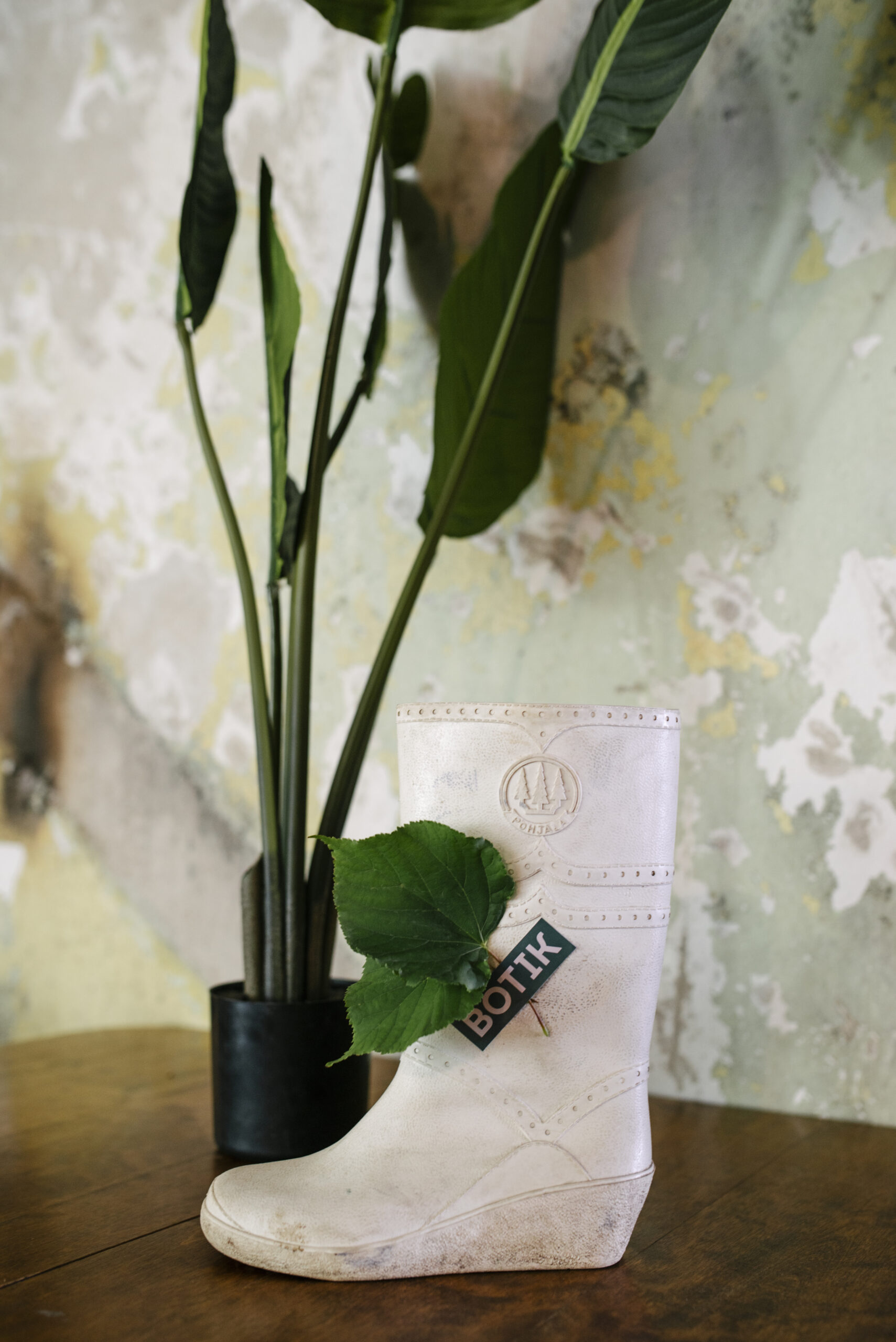
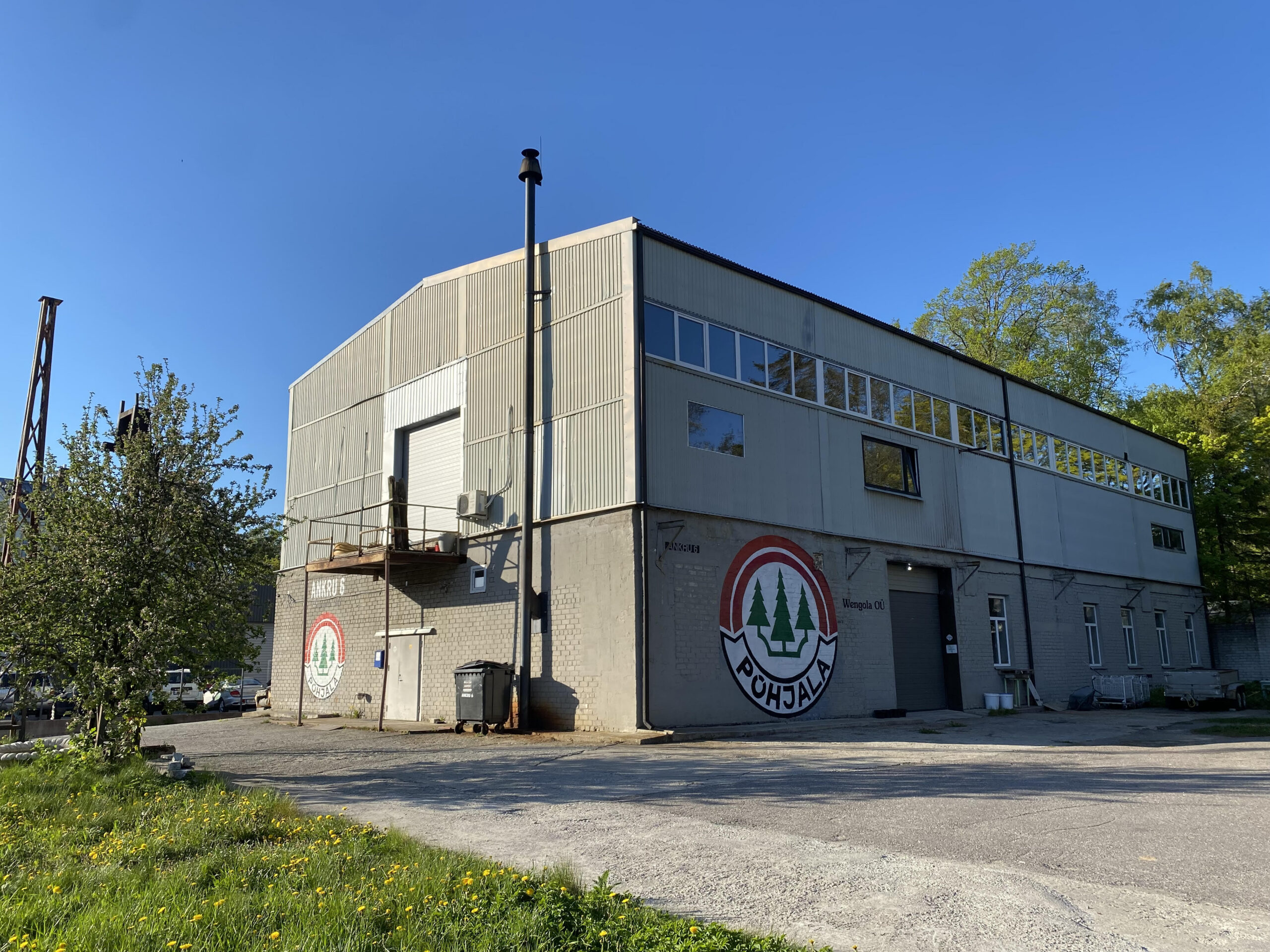
Take a look at the nearby plot at Ankru 6, where you’ll see hangars and the proud Põhjala emblem. This is the original logo of the Põhjala Rubber Factory — boots marked with three spruces that once stood in nearly every Estonian home.
The Estonian Rubber Factory was founded in 1924 by engineer Harry Feldmann, his relative Karl Feldmann, and public figure Friedrich Johann Uibopuu. Until 1930, the complex operated under the name Eesti Kummitööstus. Initially located at the tip of the peninsula in the former Russo-Baltic Shipyard buildings, the factory relocated here, into the Bekker Shipyard facilities, in 1932.
Over time, both demand and the product range grew. The factory produced everything from baby soothers, goloshes, ankle boots, and rubber boots to sports shoes, toys, sporting goods, erasers, inner and outer bicycle tubes, hoses, and rubberised fabrics for raincoats and gas protection suits.
In 1925, the factory employed just six people. By 1932, the workforce had grown to 100, and by 1939, to 300 — making Põhjala one of Estonia’s major industrial operations. In the 1970s, nearly 700 people worked here, most of them women.
After Estonia regained independence, the factory continued to operate for a while but eventually ceased production in 1998. Before the Soviet occupation, Põhjala’s products were known for their high quality — it was even said that, before World War II, they outperformed those of Finland’s Nokia factory.
As Estonia’s only rubber manufacturer, demand was consistently high. Exports reached as far as Iceland and Portugal, though in small quantities. During the Soviet era, quality declined, and military items such as gas masks were added to production.
In the same hangar where the historic logo still hangs, some original rubber factory machines remain. Small-scale rubber production continues to this day under a different name, and now, the building is also home to new creative ventures.